 veganethik
Seto - Chants Seto | Seto Songs FLAC
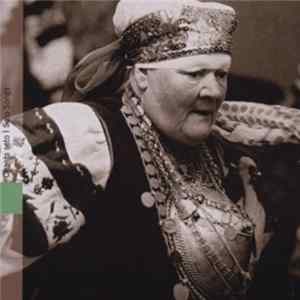
- Performer: Seto
- Title: Chants Seto
- Genre: Folk & World
- Cat #: C 600022
- Label: Ocora
- Country: Europe
- Date of release: 12 Jan 2009
- FLAC size 2396 mb
- MP3 size: 1682 mb
- Record From CD, Album
Tracklist
| 1 | –Paul Vahelaan, Andreas Kalkun | Kosjalaul | 4:02 |
| 2 | –Anne Sepamägi, Anne Täht | Elame Mere Veerel | 4:26 |
| 3 | –Anne Vabarna Ja Koor | Jauha'ks Jauha Nu, Kivikõnõ | 1:36 |
| 4 | –Anastassia Puhm, Maria Rõžikova | Janni, Jaani, Jaanõkene | 2:51 |
| 5 | –Anne Pai, Maria Pai | Lätsi Tillo, Lätsi Marjamäele | 4:17 |
| 6 | –Anne Vabarna Ja Koor | Vel'ekene Nu Noorõkõnõ | 1:51 |
| 7 | –Olga Lohk, Olga Tiik | Ülge'ks, Ülge Ütte | 4:14 |
| 8 | –Eha Kõiv, Olga Rõbkina | Pööräjuuskminõ | 1:48 |
| 9 | –Paul Hagu | Valge Jänes | 3:22 |
| 10 | –Jekaterina Lummo, Maria Raudla | Maamakõnõ Mu Armakõnõ | 5:14 |
| 11 | –Õie Sarv, Maarja Sarv | Miä'ks Om Kuri Varastada | 2:33 |
| 12 | –Nikolai Rimm, Nikolai Vahtramägi | Hirokõnõ, Hal'kõnõ | 2:17 |
| 13 | –Elena Laanetu, Maria Kägovere | Vele'ks-sa-kene Noorõkõnõ | 1:27 |
| 14 | –Paul Hagu, Andreas Kalkun | Kiä Kuah Was Olt Tekk | 4:18 |
| 15 | –Veera Pähnapuu Ja Koor | Laul Lät's Läbi Setomaa | 2:54 |
Credits
- Liner Notes – Triinu Ojamaa
- Recorded By – A. Pulst (tracks: 2, 3), H. Tampere (tracks: 2, 3), I. Tõnurist (tracks: 14), I. Rüütel (tracks: 4, 5, 10), J. Tamm (tracks: 5, 6, 9 to 12, 14), K. Hakala (tracks: 7), T. Ojamaa (tracks: 6, 11)
Notes
Title on the front cover and CD: "Chants seto | Seto Songs"
Title on the spine: "ESTONIE Chants seto"
Title on the another spine: "ESTONIA Seto Songs"
"At every village festival, Seto people used to gather and sing. The songs could be about their daily life or unusual events or, as a matter of fact, about any subject imaginable. Everything that needed saying was said in song: peculiar timbre, ornamentation, plentiful repertory evolved over the course of several centuries."
Includes extensive notes and histories in French, English and Estonian languages.
Fabrique en France
Barcodes
- Barcode: 794881901029
- Matrix / Runout: [Arvato Digital Services logo] 53302180/C600022 21
- Mastering SID Code: IFPI LB 46
- Mould SID Code: IFPI 0767
- Rights Society: SACEM SACD SDRM SCAM
- Label Code: LC 11719
- Other (SPARS code): ADD
- Other: HM 76
Companies
- Pressed By – Arvato Digital Services – 53302180
- Distributed By – Harmonia Mundi Distribution
-
 Red Rat - Shelley Anne
 -
 Sølvi Wang, Anne Lise Gjøstøl - Alice i Eventyrland
 -
 Anne Murray - The Very Best Of Anne Murray
 -
 Anne Vanderlove - Coeurs De Bambous
 -
 Gorilla - Mary Anne
 -
 MIDNIGHT.VIBE.ONLY - Anne Hathaway
 -
 Secret Service - Jo-Anne, Jo-Anne
 -
Anne Clark
-
 Anne Valverdé - Anne Valverde
 -
 Mahler, Valery Gergiev, Münchner Philharmoniker, Anne Schwanewilms, Olga Borodina - Symphony No. 2 "Resurrection"
Categories
Albums Discussed
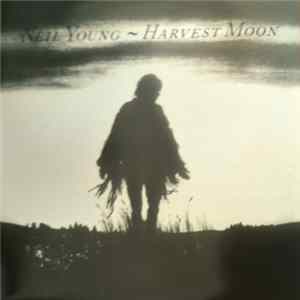 Neil Young - Harvest Moon
 Aphex Twin - Collapse EP
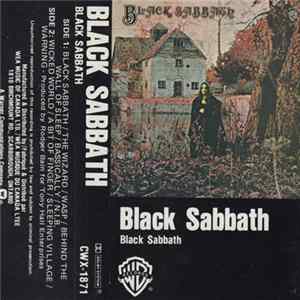 Black Sabbath - Black Sabbath
 Kaiju - Justice / Creeper
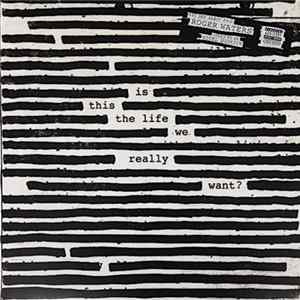 Roger Waters - Is This The Life We Really Want?
 Mazzy Star - So Tonight That I Might See
 Villalobos - Alcachofa
 Unknown Artist - Untitled
 Godspeed You Black Emperor! - Lift Your Skinny Fists Like Antennas To Heaven
 Folamour - 4MYPPL#1