 veganethik
The Velvet Underground & Nico - The Velvet Underground & Nico FLAC

- Performer: The Velvet Underground & Nico
- Title: The Velvet Underground & Nico
- Genre: Rock
- Cat #: V6-5008
- Label: Verve Records
- Country: US
- Date of release: Dec 1966
- Style: Psychedelic Rock, Garage Rock, Folk Rock, Experimental, Art Rock
- FLAC size 1021 mb
- MP3 size: 2710 mb
- Record From Vinyl, LP, Album, Misprint, Test Pressing, Stereo, Torso Cover
Tracklist
| 1 | All Tomorrow's PartiesWritten-By – Lou Reed | 5:55 |
| 2 | I'll Be Your MirrorWritten-By – Lou Reed | 2:01 |
| 3 | Black Angel's Death SongWritten-By – John Cale, Lou Reed | 3:10 |
| 4 | There She Goes AgainWritten-By – Lou Reed | 2:30 |
| 5 | Run, Run, RunWritten-By – Lou Reed | 4:18 |
| 6 | Femme FataleWritten-By – Lou Reed | 2:35 |
| 7 | Venus In FursWritten-By – Lou Reed | 5:07 |
| 8 | European Son To Delmore SchwartzWritten-By – John Cale, Lou Reed, Maureen Tucker, Sterling Morrison | 7:44 |
| 9 | HeroinWritten-By – Lou Reed | 7:05 |
| 10 | I'm Waiting For The ManWritten-By – Lou Reed | 4:37 |
Credits
- Design [Cover Design] – Acy R. Lehman
- Lead Guitar, Guitar [Ostrich], Vocals – Lou Reed
- Painting [Cover Painting Banana] – Andy Warhol
- Percussion – Maureen Tucker
- Photography By – Hugo , Paul Morrissey
- Producer – Andy Warhol
- Rhythm Guitar, Bass Guitar – Sterling Morrison
- Viola [Electric], Piano, Bass Guitar – John Cale
- Vocals [Chanteuse] – Nico
Notes
Torso cover with journalist Emerson superimposed on Lou Reed's face on the back cover.
This is the first pressing of late 1966 that does not include the track "Sunday Morning", which was originally not intended for release. "Sunday Morning" would later appear as a single in December of 1966 to promote the release of the album in March of the following year. Aiming to create a hit for the album, the song was added at the last minute for commercial release. Prominent use of celesta was the idea of John Cale, who noticed the instrument in the studio and impulsively decided to use it for the song.
Although the other tracks are present, they are of a different mix to the commercial release. This pressing was also produced by Andy Warhol exclusively, whereas the commercial release was not just his input.
The label on the record incorrectly credits Tom Wilson with "Sunday Morning" and it's production, but the track does not actually appear. "Heroin, Venus In Furs, I'm Waiting For The Man and European Son" were re-recorded in LA by Tom Wilson. The mix may be slightly different, but the recordings are those used on the commercial release.
The "G" in "MGS" is crossed out on Side 1 to denote that the track listing for Side 1 was to be amended.
Barcodes
- Matrix / Runout (Side A (G is crossed out)): V6-5008 SIDE 1 MGS-558
- Matrix / Runout (Side B): V6-5008 SIDE 2 MGS-559
-
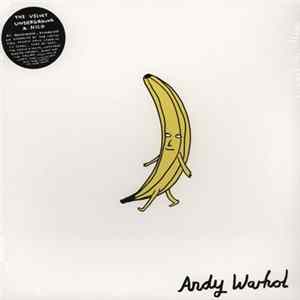 Various - The Velvet Underground & Nico
 -
The Velvet Underground - White Light/White Heat
-
 The Velvet Underground - The Velvet Underground & Nico
 -
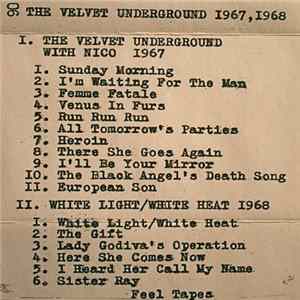 The Velvet Underground - The Velvet Underground With Nico // White Light / White Heat
 -
 Puttin On The Ritz - White Light / White Heat
 -
 The Velvet Underground - Ultra Rare Trax Vol. 4
 -
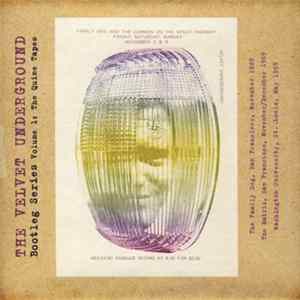 The Velvet Underground - Bootleg Series Volume 1: The Quine Tapes
 -
 The Velvet Underground - The Velvet Underground
 -
 Lou Reed / John Cale - Nobody But You
 -
 The Velvet Underground - Live At Max's Kansas City
 Neil Young - Harvest Moon
 Aphex Twin - Collapse EP
 Black Sabbath - Black Sabbath
 Kaiju - Justice / Creeper
 Roger Waters - Is This The Life We Really Want?
 Mazzy Star - So Tonight That I Might See
 Villalobos - Alcachofa
 Unknown Artist - Untitled
 Godspeed You Black Emperor! - Lift Your Skinny Fists Like Antennas To Heaven
 Folamour - 4MYPPL#1